Typically originate on dating apps or social platforms, romance scams is where an offender builds deep emotional rapport before requesting funds for fake emergencies, travel, medical costs, or restricted bank access.
Investment scams often begin with an initial deposit, followed by falsified account growth, test withdrawals, and escalating pressure to invest larger sums through unregulated platforms.
Job scams involve structured “task” or “click-to-earn” schemes where victims must pay fees or advance funds to get commissions, with withdrawals blocked once deposits increase.
Crypto scammers use digital wallets and QR codes to rapidly move assets across jurisdictions, which obscures transaction trails and complicates recovery efforts.
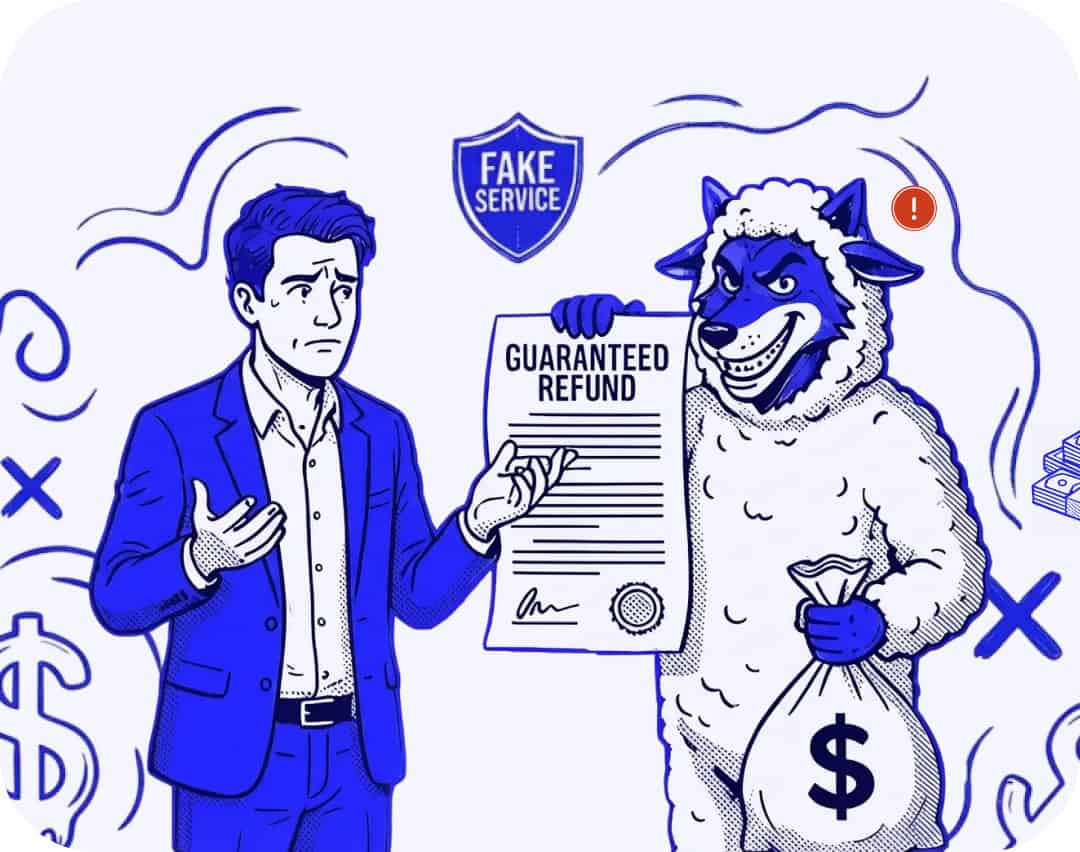
These are fraudulent services that target scam victims by promising to recover lost funds. They extract additional fees using false guarantees, fabricated credentials, or urgency tactics.